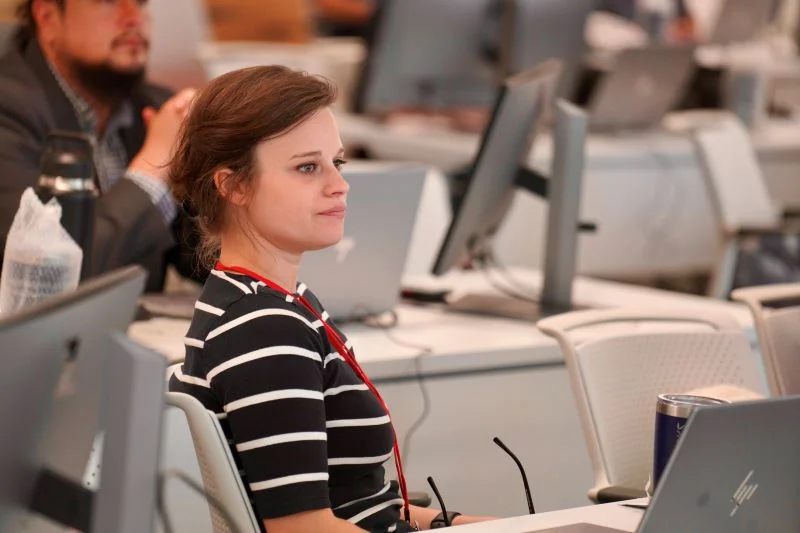

Kara Tucker is a self-defined “dirt child,” which tells you everything you need to know about her proximity to nature growing up in the green hills of Arkansas and Tennessee.
She was a shy child who often felt misunderstood, mostly kept to herself, and found the world beyond her family’s rural lands overwhelming; all traits that made sense when she was diagnosed with autism at the age of 25.
“I went my whole life really without a proper diagnosis and without getting some of the support I needed,” Kara explained. “But it ended up turning out well. If I could go back and change any of that, I would just encourage my kid self to keep exploring and figuring out what she liked.”
Simply put, kid Kara liked to understand how things worked, from ballpoint pens to computer mice. Whatever it was, she immediately wondered, “How can I make this better?”
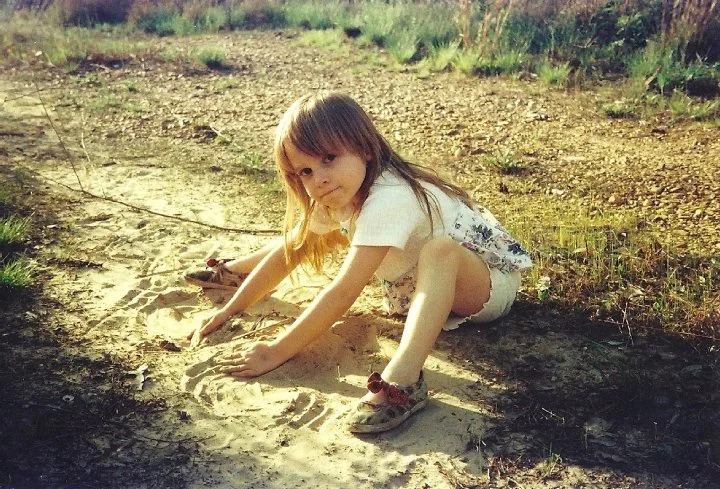
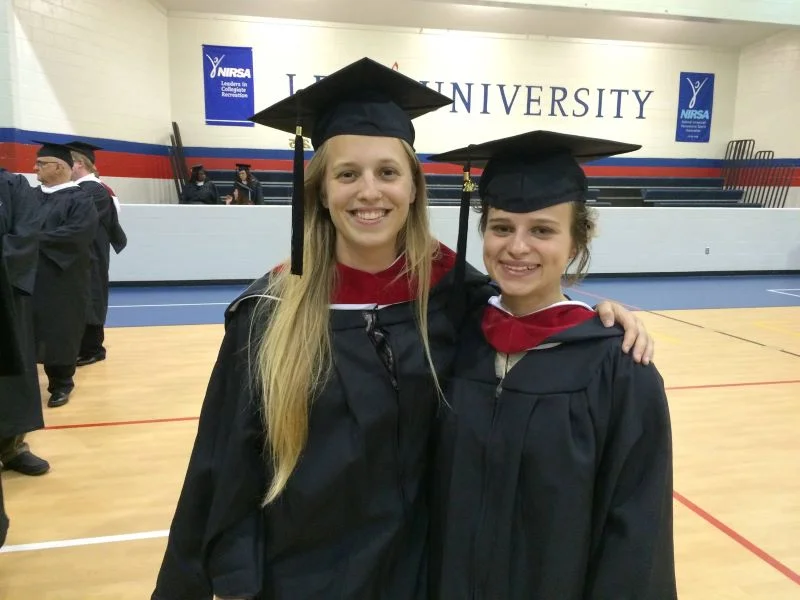
So naturally, you would assume Kara went on to study engineering – except for she didn’t. In fact, she studied what to some might seem like the furthest subject to engineering possible: biblical and theological studies.
The motivation to study this for her bachelor’s, however, was not far-fetched from the passion that later drove her to pursue design drafting in graduate school. Both choices were an answer to Kara’s unignorable call to help people.
Biblical and theological studies grounded this calling in spirituality, and Kara is constantly impressed by how theologians are able to communicate complicated concepts with digestible simplicity. She quickly realized, however, that the subjects were a bit too abstract for what she wanted to do.
“I really wanted to do more direct hands-on things in my life,” Kara explains. “So, I finished that degree and decided to go back to school for design drafting.”
The first CAD project she made was a soda bottle using SOLIDWORKS. Kara was thrilled to learn about industrial design, especially—and unsurprisingly—all the ways human-based designs can help, well, humans. One product she was particularly inspired by was dishwashers designed to be installed above waist height to avoid having to bend down to load them.
“More than anything, I want whatever I design and work on to last. I don’t want it to be temporary, a Band-Aid solution.”
True to her word, Kara currently works at Weiss Watch Company in Nashville, Tennessee, designing products meant to last a lifetime: watches. Previously, she designed guitars, another product meant to withstand the test of time and the passing of trends.
“It’s those products that will outlive you, that you can pass on to your children or grandchildren,” Kara explains.
Straight out of graduate school, Kara accepted a position designing components for an escape-the-room company. While these objects probably won’t last a lifetime, one might argue that the thrill of overcoming a challenge through critical thinking and teamwork does. There, she helped the team transition from their current CAD program to SOLIDWORKS – and hasn’t stopped using SOLIDWORKS since.
“When other companies asked me what my CAD program of choice was, I always said SOLIDWORKS,” she admits. Kara particularly loves the collaborative nature of the software and the security of the software’s data conservation. “Plus, the technology is very advanced,” she adds.
Years ago, she asked a question on a SOLIDWORKS community forum. The community leader at the time suggested she solve her issue with surfacing. Kara was quickly struck by the group’s wealth of industry knowledge and willingness to support each other. Flash forward one year, and Kara was the one presenting surfacing to the community. Now, she’s involved in SOLIDWORKS’ development for beta testing and is a co-leader of the Nashville community.
“I didn’t know all of that when I chose SOLIDWORKS, but it has been a very rewarding aspect of using the program.”
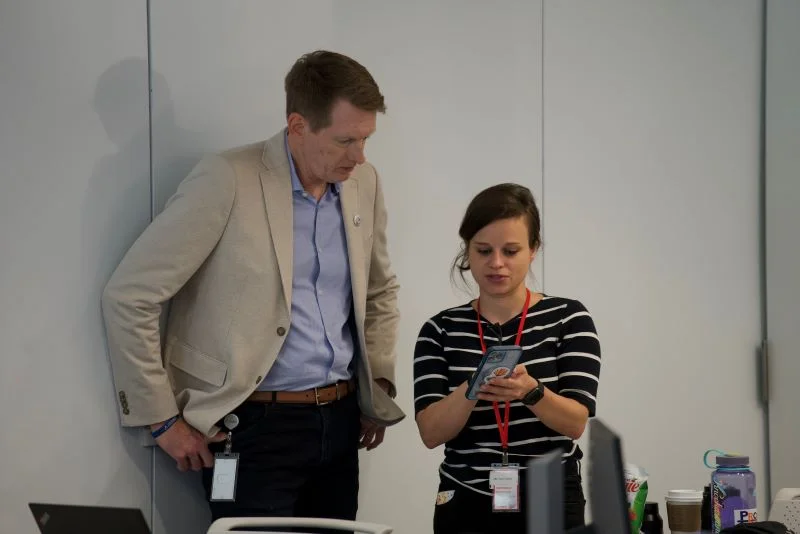
The SOLIDWORKS community has also played a huge role in Kara’s experience as a design engineer, and provided her with more tools to answer her call to help people.
“Over the next few years, I’d like to really pour back into the generations coming forward,” she explains, adding that she is particularly interested in inspiring girls to pursue STEM careers. Kara points to Dassault Systèmes’ Fab-in-a-box collaboration, which brings low-cost digital fabrication toolkits to schools, as an example of the youth development programs she’s excited about.
But for all her success, Kara ardently believes that learning happens through failure.
“Learning happens by getting your hands dirty and getting your feet wet. You have to grow where you’re planted.”
Clearly, Kara will always be a dirt child at heart.