
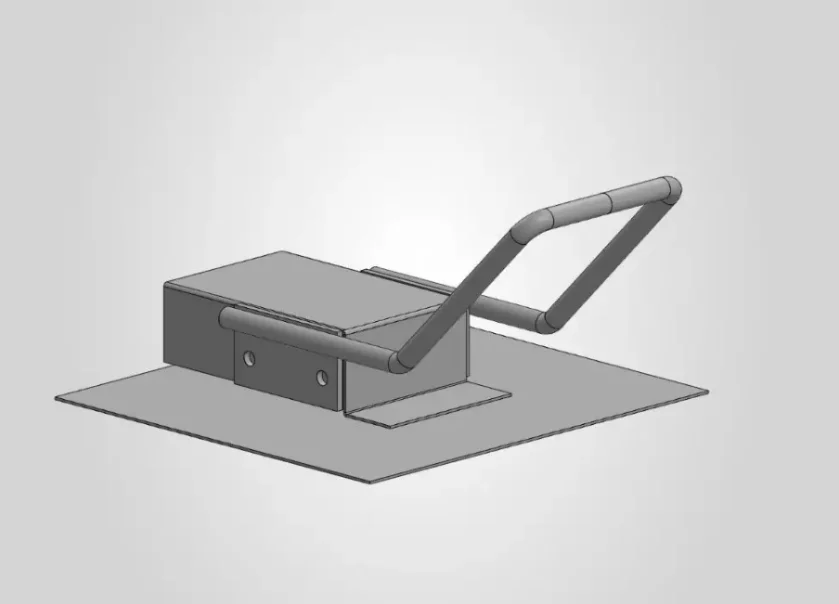
Making the Handoff: Custom Parts for a Friend’s Welder
Don Bartlett has been using SOLIDWORKS for nearly three decades and spent 44 years as a Senior Staff Engineer at FANUC America. Like many makers, he has also spent years refining his equipment and the tools he uses outside work. When Don passed his old 350 EXT welder to a friend and upgraded to a new Everlast Power TIG 400 EXT, he transferred his original cable management system from the 350 EXT cart to the new welder. As a result, the old welder was left with limited functionality. To ensure his friend had a proper cable management solution, Don rebuilt three components for the old welder: a handle, a storage area for the foot pedal, and cable hooks.
A welder cable management system consists of hardware mounted to the welding cart, such as hooks, handles, and pedal holders, designed to keep cables organized and off the ground.
Handle
The handle is used every time the cable management cart is moved, so Don wanted it to feel like a factory part, not an add-on. To recreate the handle for the 350 EXT welder, Don used the factory handle that came with his new 400 EXT as a reference. For the handle to fit the old welder, the design needed to be raised slightly to clear the top of the machine.
Don specifically wanted the handle to match the factory part’s sharp corners, as a rounded handle would reduce the flat surface area for gripping. In order to bend the ½” rod, Don used SOLIDWORKS to design a new block for his Swag Offroad finger brake so he could duplicate the zero internal radius on the 400 EXT welder.
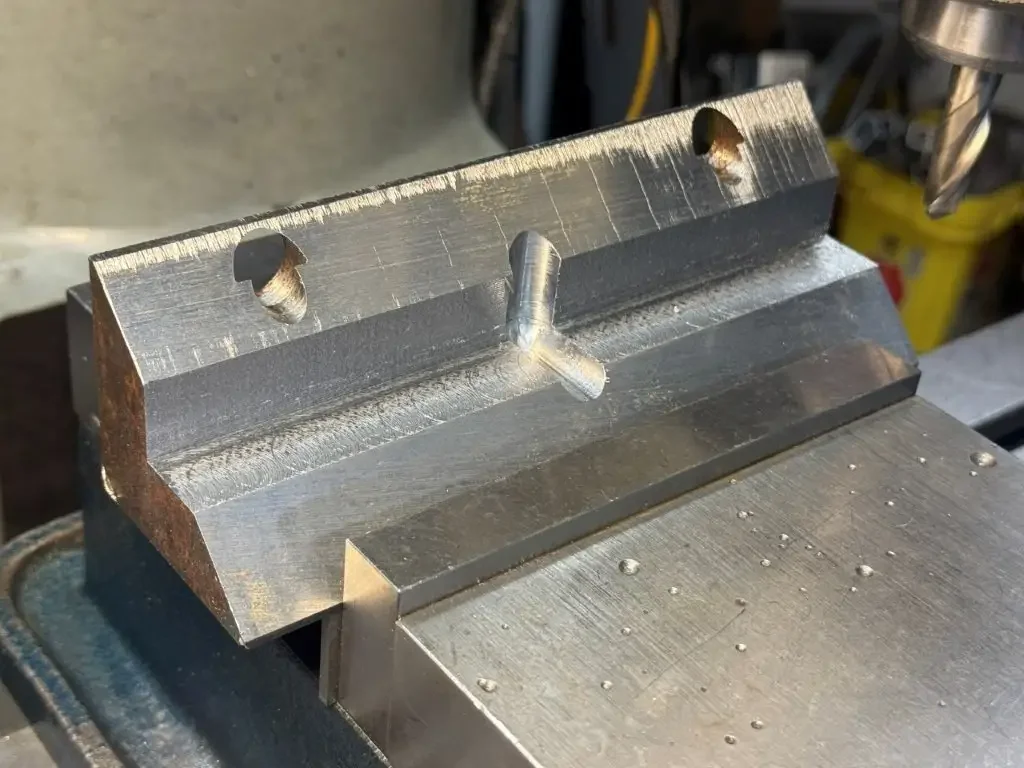
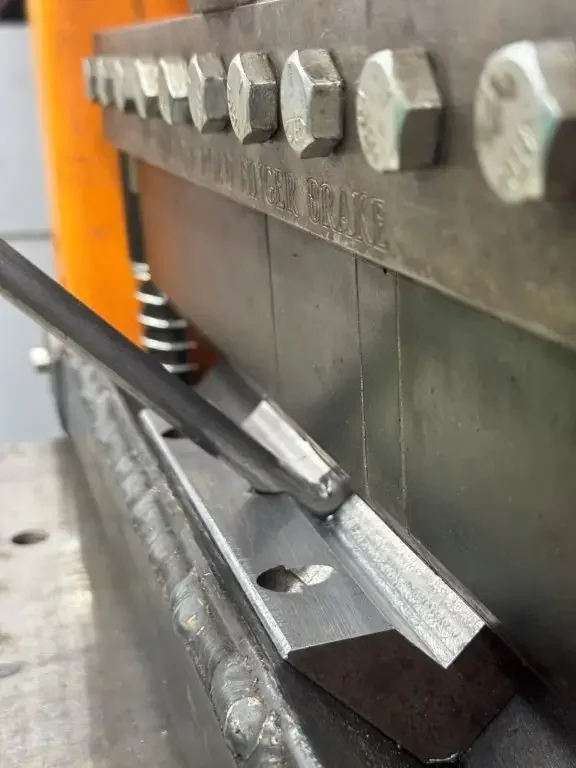
Don used a ball-nose end mill to cut a slot in the block, then bent the rod to a 90-degree angle with the new block. He then created a second 45-degree bend in the rod to match the factory design.
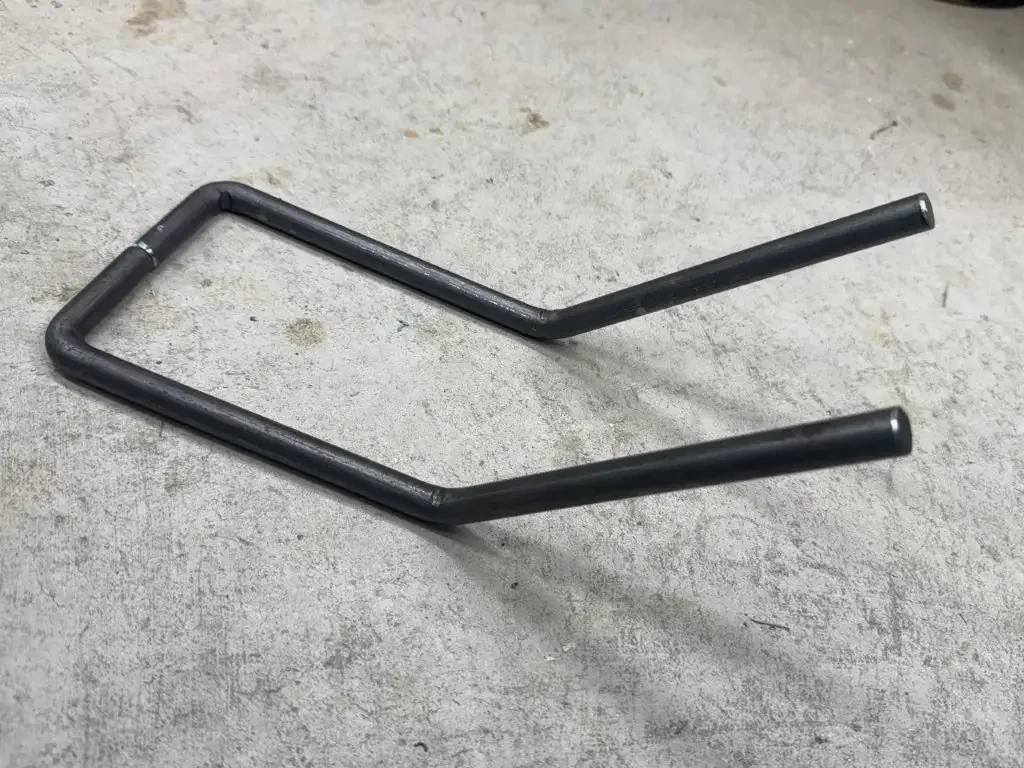
Since the rod could not be bent in a single piece without interfering with the brake, Don bent the handle in two halves and welded them together. He then welded the rod to flanges, painted it, and installed it on the 350 EXT welder.
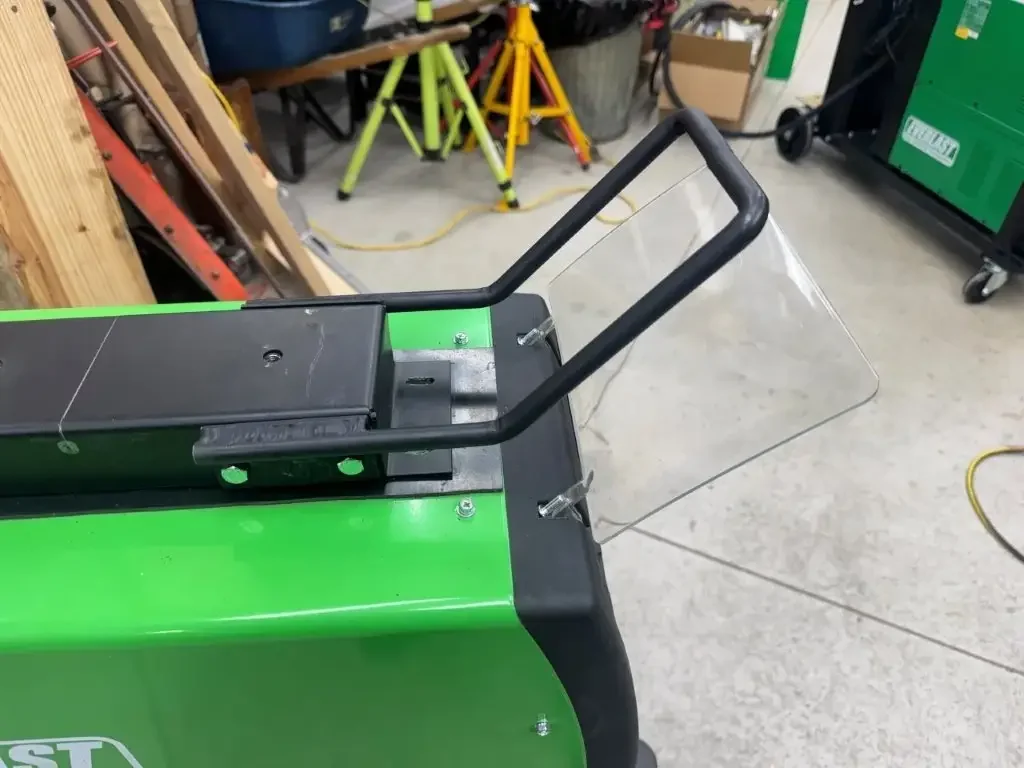
Above is the finished handle installed on the 350 EXT welder.
Pedal
Don’s welder cart moves between his shop, driveway and garage frequently, so he wanted the foot pedal to have a fixed storage location on the cart he was passing along — one less loose cable to deal with when the cart is on the move.
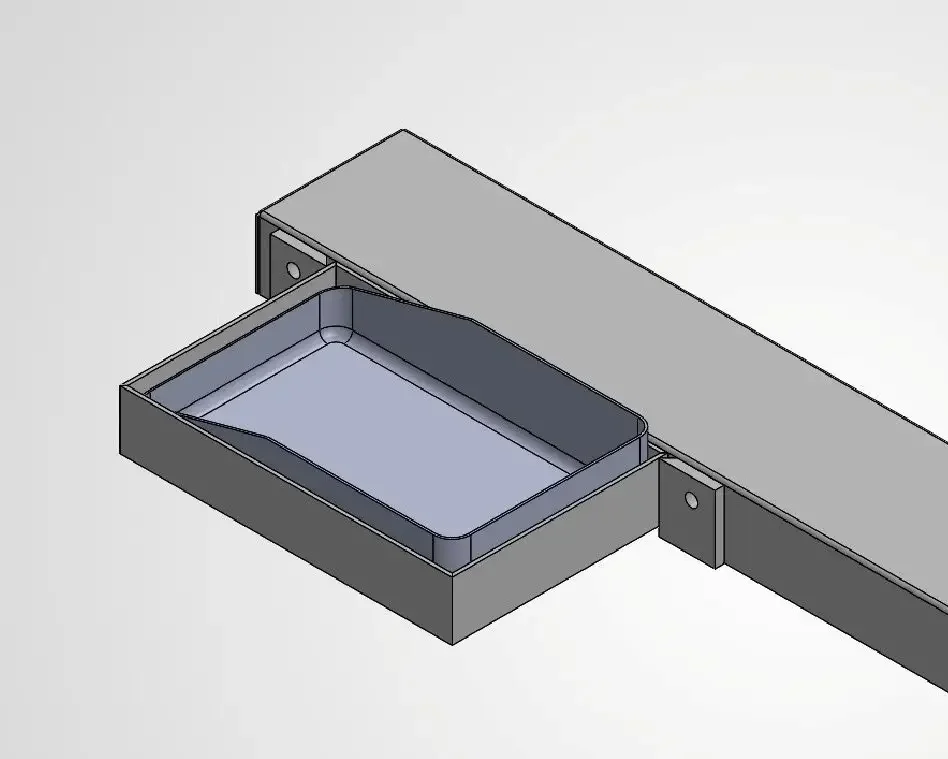
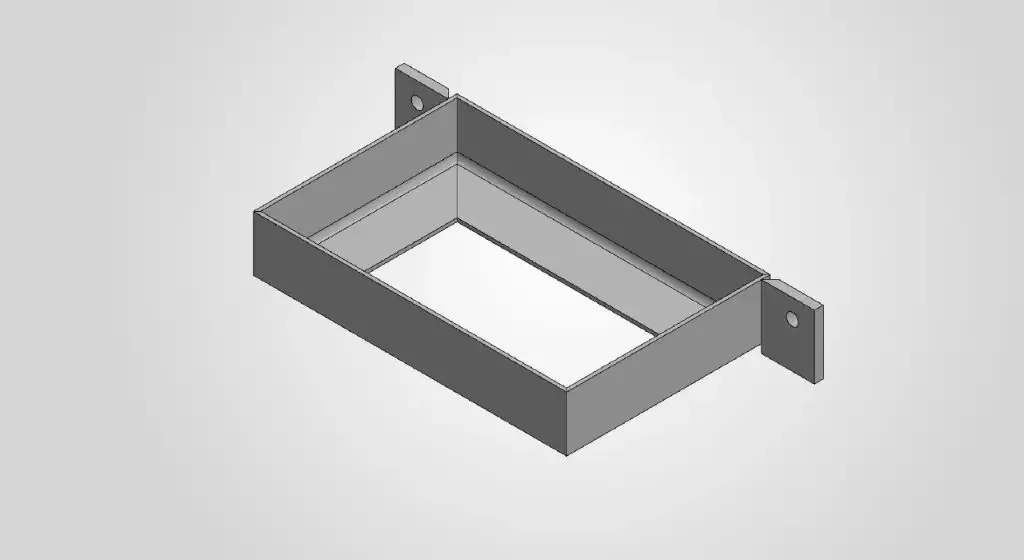
Above shows the frame pedal holder modeled in SOLIDWORKS.
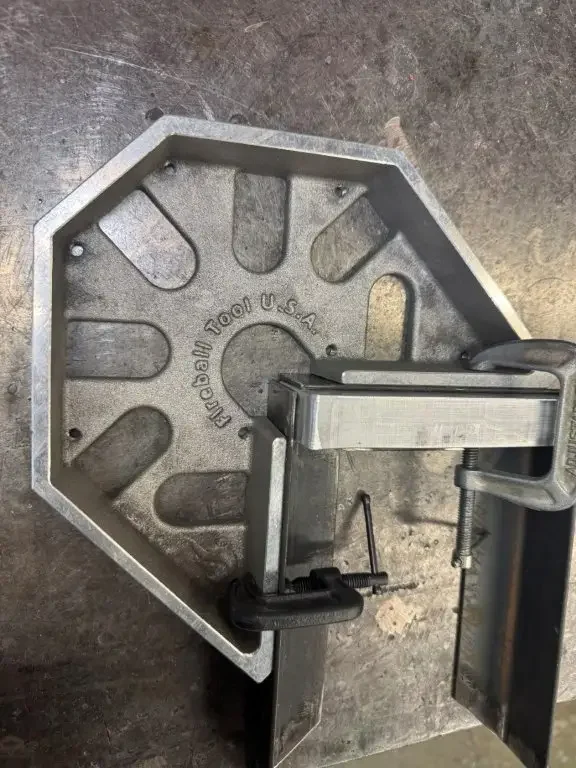
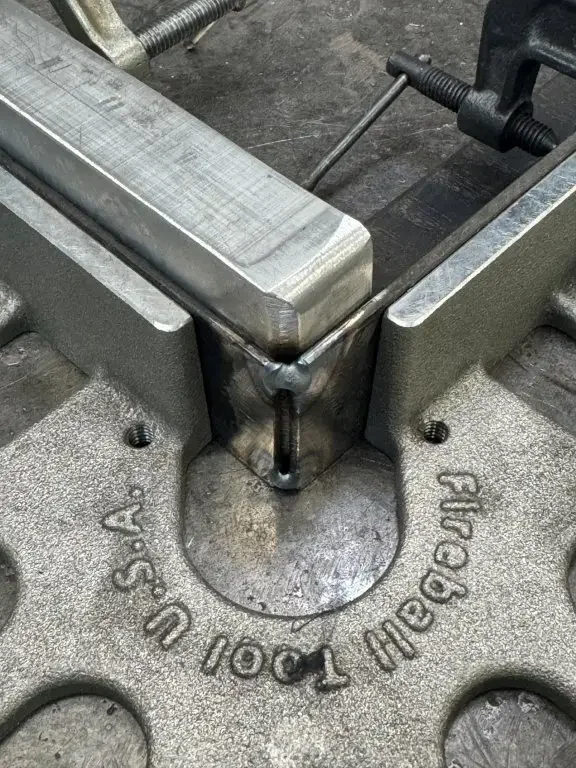
Don cut out the frame pieces, then built it from angle iron to hold the pedal upside down, squaring each corner with a Fireball square before tack-welding the pieces. He also used a backup block during welding to trap the shielding gas and prevent excessive oxidation on the back of the weld.
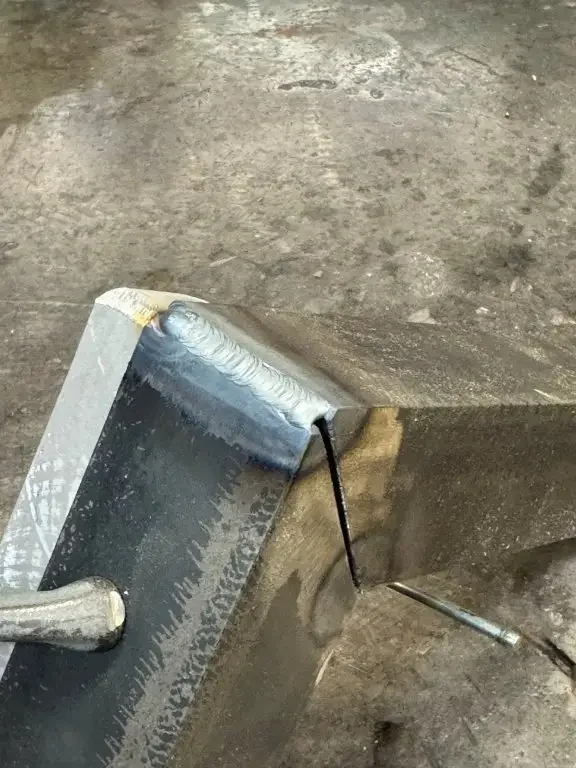
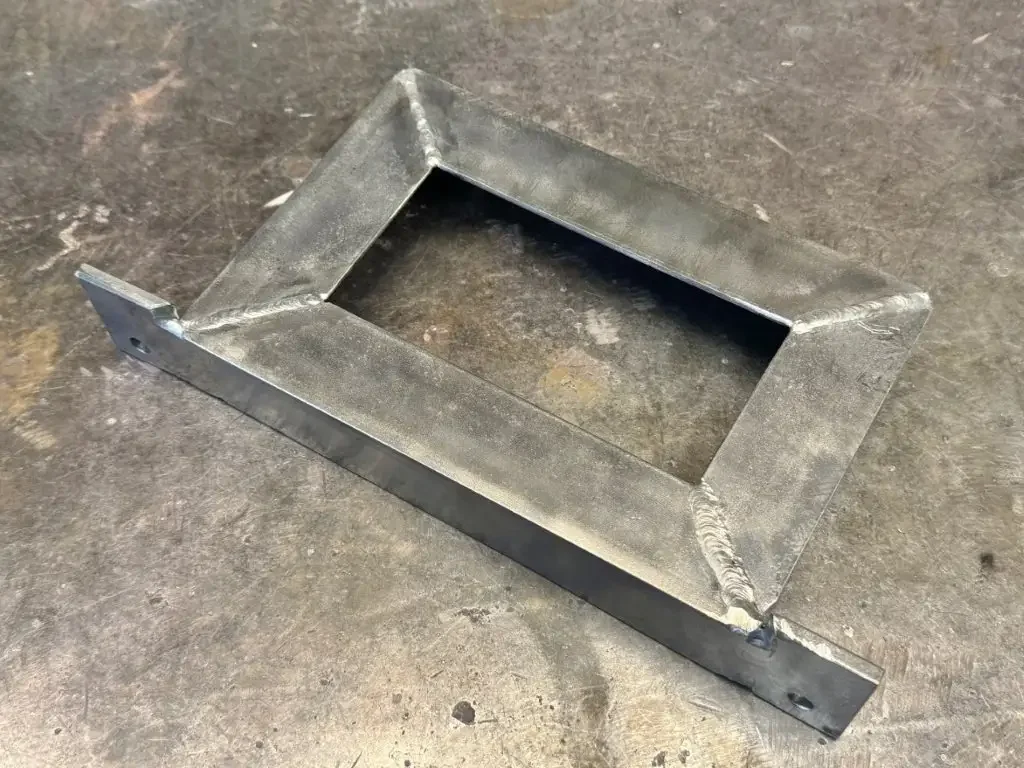
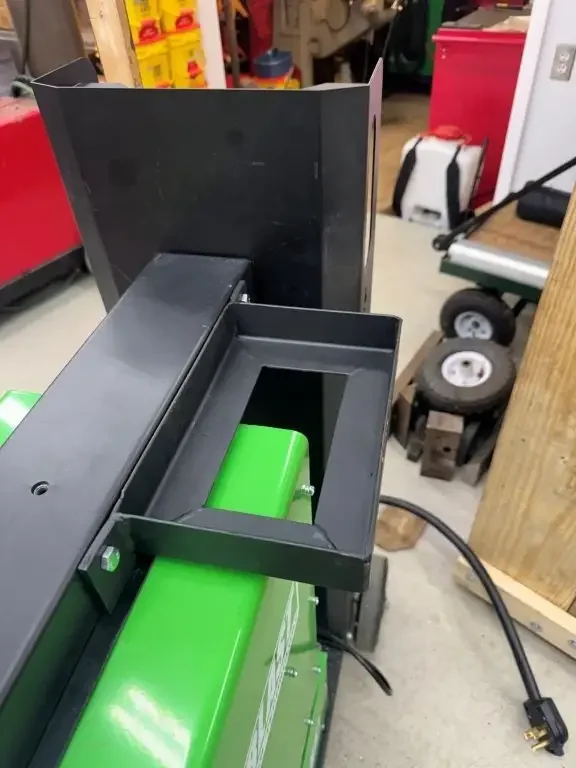
Once the frame pieces were welded together, Don attached flanges, painted, and mounted the piece to the 350 EXT welder.
Cable Hook
The new 400 EXT came with two factory cable hooks, which Don did not need since his existing cable management system had hooks of its own. Since Don likes to have three hooks on his cart, one for the TIG lead, one for the work lead, and one for the pedal cable, he modeled an additional hook based on the two factory hooks from his 400 EXT — that’s the setup he wanted to hand off to his friend, not just the two the factory includes.
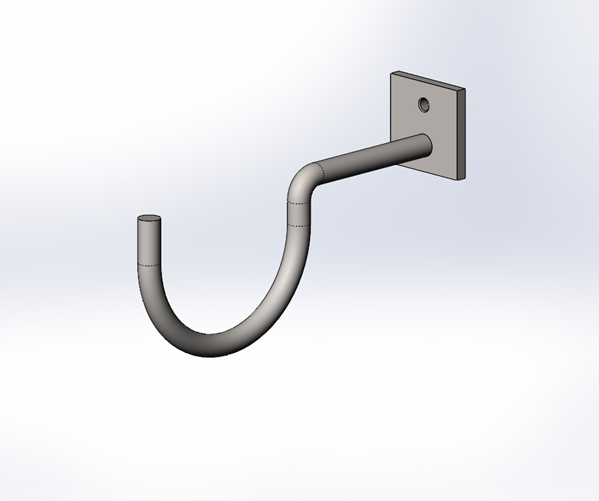
The factory hooks were 10 mm in diameter, but Don built the replacement hook from a 1/2” rod.
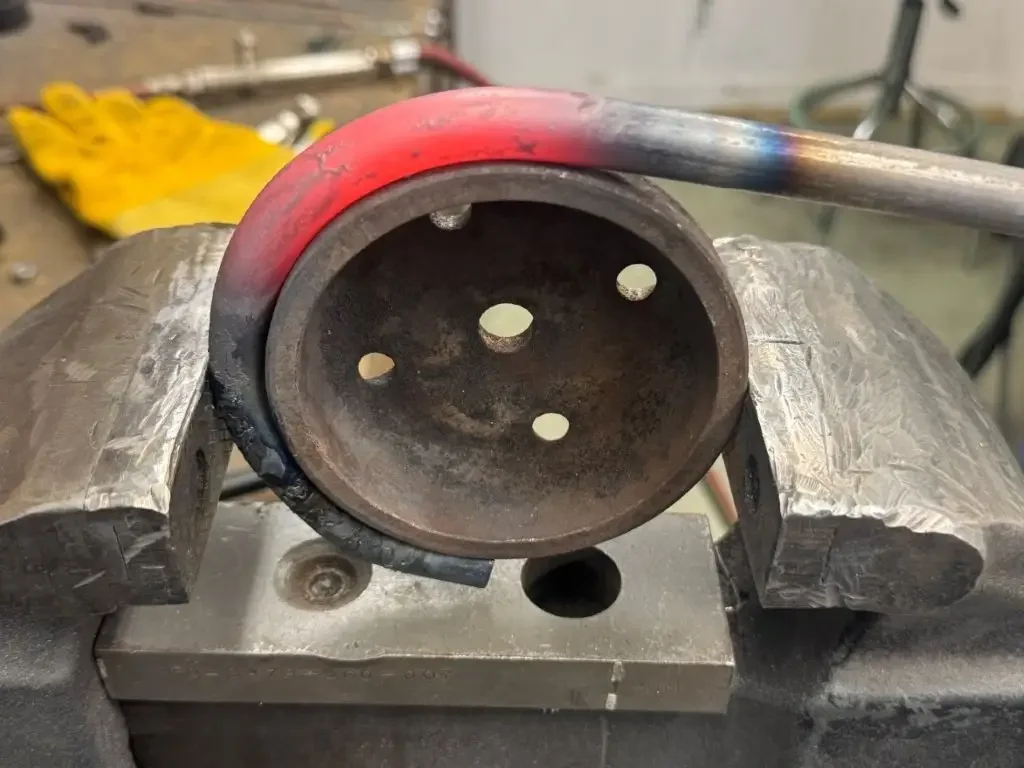
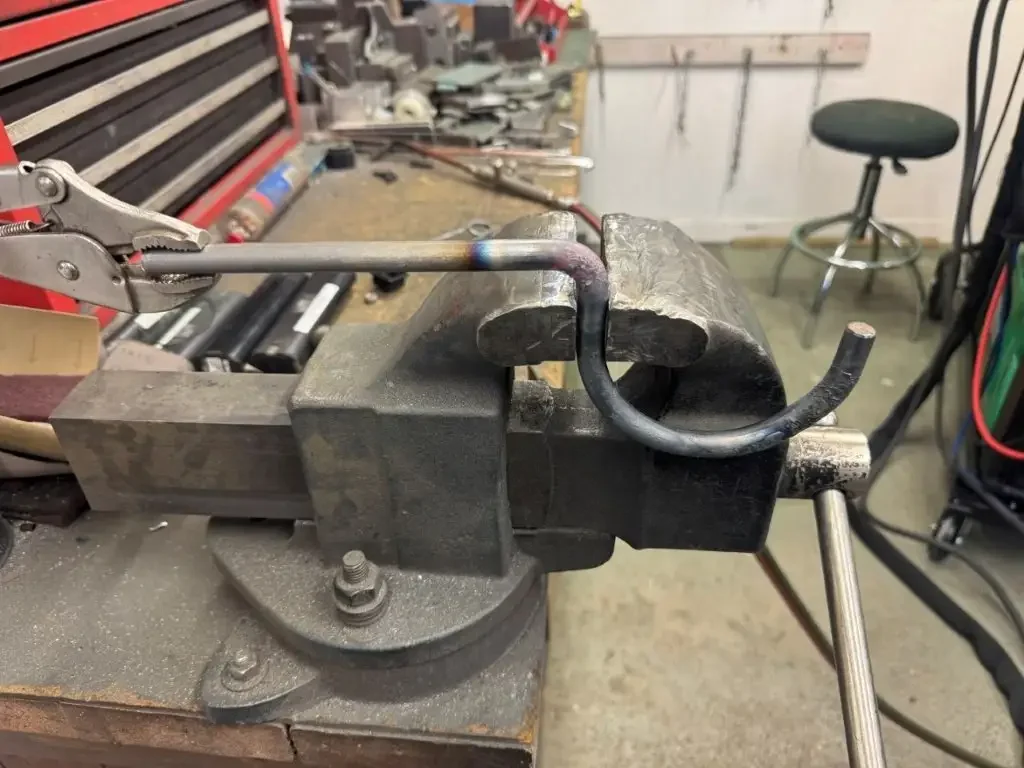
Here, Don is hot bending the large and small radius of the hook shape into the rod. He then welded a flange to his hook, painted it and installed the three hooks onto the 350 EXT welder.
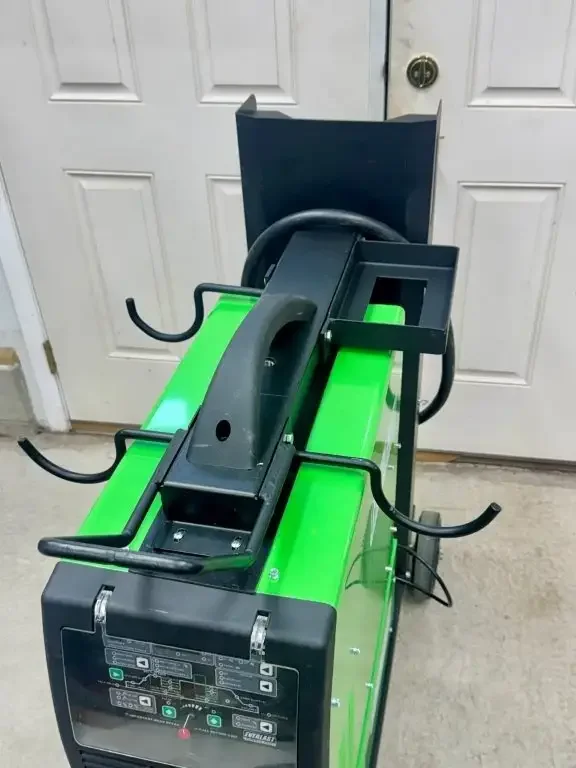
Result
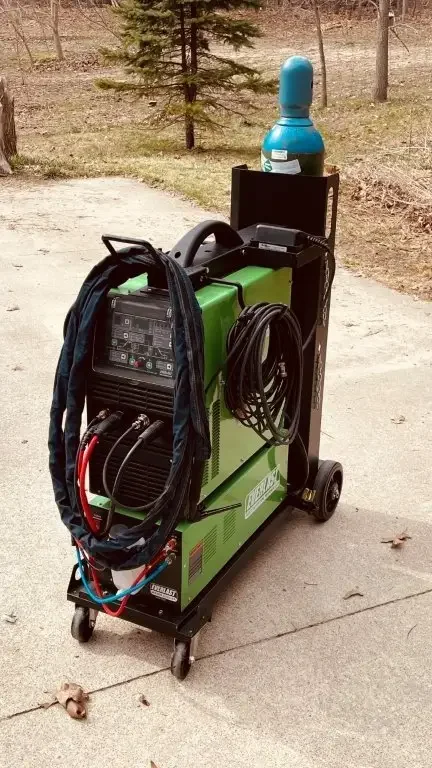
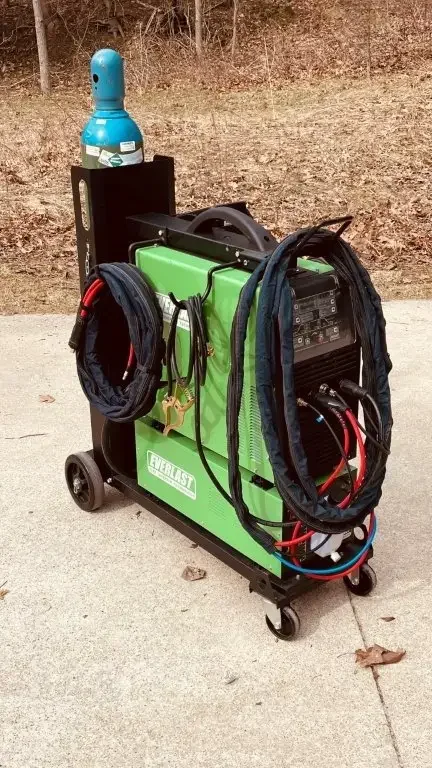
Don’s friend Sean has already put the completed cable system to work. His water-cooled TIG torch lead, work lead, and foot pedal cable all hang from the hooks Don added to the cart, along with an air-cooled TIG torch lead, a finger switch cable, and a stinger lead for stick welding. Since the welder already occupies floor space in Sean’s garage, he decided to use the cable system as extra storage for his less-used leads, ultimately freeing up shelf space.
What Projects are You Ready to Tackle?
This project began as a favor for a friend and became an exercise in creating custom tools for better functionality. What started as three small parts turned into a series of decisions where fit, strength, and assembly all mattered.
SOLIDWORKS for Makers gives you the same CAD tools used by engineers and product designers, priced for personal use at $48 USD/year. Whether you’re building equipment for the yard, parts for the garage, or fixtures for the workshop, you can work through the details before making the first cut.
Learn more about SOLIDWORKS for Makers.