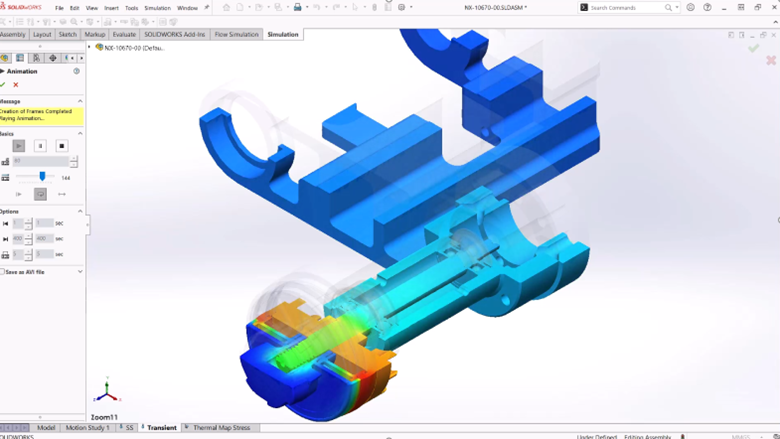

Engineering teams face constant pressure to build faster, cheaper, and better products. Prototyping costs money. Testing takes time. When you rely entirely on physical models to validate your designs, you slow down your entire development cycle. At 3DEXPERIENCE World 2026, four SOLIDWORKS champions shared how they transform their engineering processes using advanced simulation tools.
The session highlights how virtual testing allows companies to iterate rapidly, reduce material waste, and guarantee structural integrity before cutting a single piece of metal or molding a plastic part. From 2,500-horsepower racing engines to adaptive mountain bikes, the speakers’ applications vary greatly. However, the engineering principles remain exactly the same.
In this on-demand session, you will learn how four distinct organizations use modeling and simulation to eliminate physical prototypes, detect structural flaws early and accelerate their time to market.
Pushing Limits in Motorsport Engineering
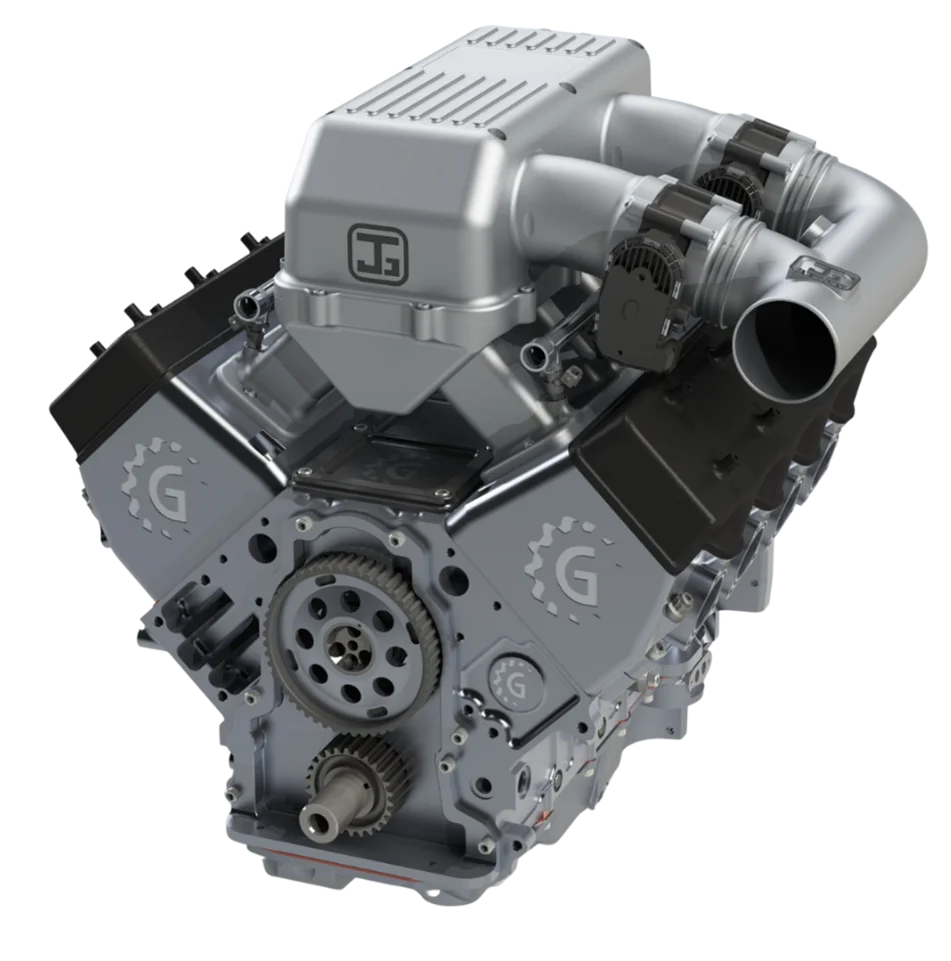
Gears Mining Australia primarily designs massive equipment for the mining sector. Recently, they expanded their engineering scope to include high-performance racing engines. Chief Engineer Andrew Tuxford explained the immense challenges of this highly competitive market. Customers expect enormous power outputs, often demanding up to 2,500 horsepower from a single engine block.
At the same time, the racing market is extremely cost-sensitive. The engineering team cannot afford to build endless physical prototypes to see what breaks. Instead, they rely entirely on virtual models to evaluate torsional rigidity, combustion loads, and general deformation.
By testing main cap bolts and rod bolts in a digital environment, Gears successfully moved from computer-aided design directly to the machine shop and then straight to the race car. They skipped physical testing entirely. Within a two-week period, they iterated through more than ten different engine designs to find the optimal configuration.
Driving Sustainability in Waste Management
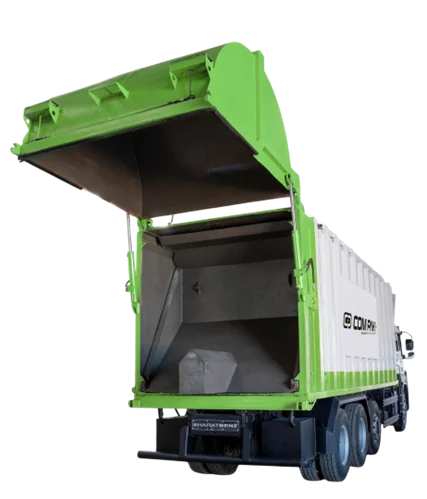
Com-Pak Plus designs high-precision garbage compactors for demanding Indian road conditions. General Manager Chethan Lingaraju detailed their shift from legacy two-dimensional drawings to a modern simulation approach. Early in their development cycle, the company experienced structural failures in the field.
The packer frame on their machines endures heavy cyclical loading, handling massive pressure on every cycle. Two hydraulic cylinders exert up to 170 bar of pressure, placing intense stress on the metal structures. Over time, this sustained load caused material fatigue and outward buckling at the points of maximum stress concentration.
To solve this problem, Chetan integrated virtual stress testing into the development of Com-Pak Plus’s new 42-cubic-meter compactor. By validating critical sub-assemblies like the ram ejector before manufacturing, they identified exactly where the frame needed reinforcement. This proactive engineering cycle reduced their development time from two years to less than three months. They also achieved zero market failures with the newly optimized design.
Ensuring Reliability for Adaptive Mobility
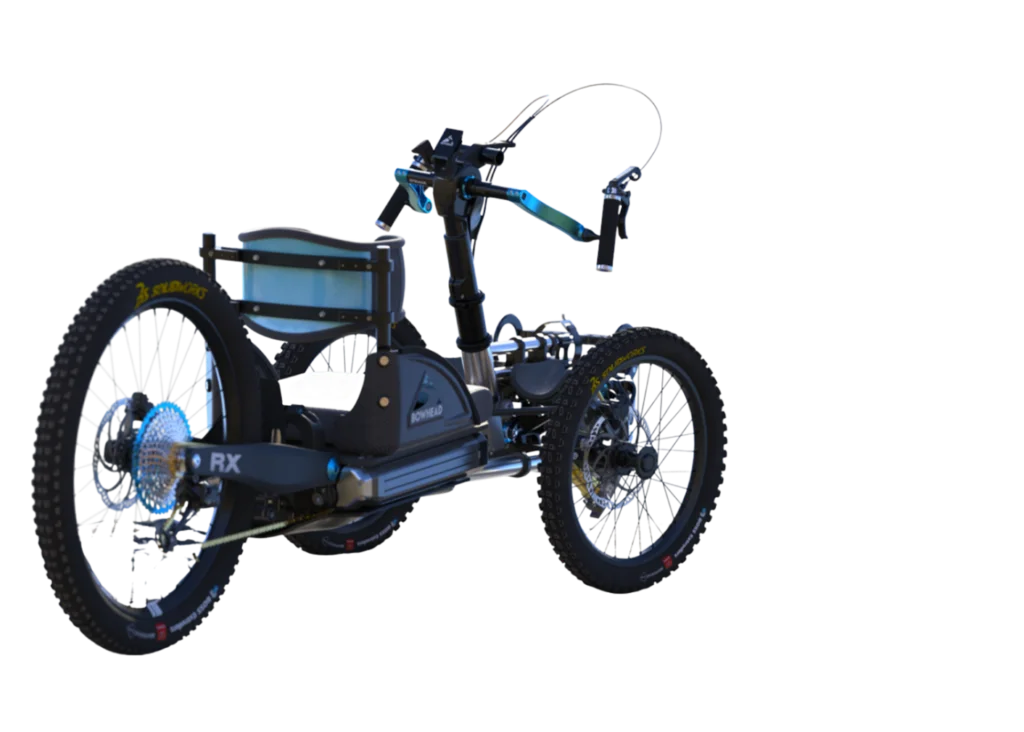
Bowhead Corporation builds adaptive mountain bikes and wheelchairs. Their primary mission is to make active lifestyles accessible to everyone. Senior Mechanical Engineer Sanket Patil emphasized that reliability is essential for their users.
If a standard mountain bike breaks on a trail, the rider can simply get off and walk it home. If a Bowhead bike fails, the user is stranded until help arrives. This reality requires absolute structural integrity across more than 800 individual components. Sanket demonstrated how they test the stiffness of suspension swing arms, aggressively limiting deformation to just 0.2 millimeters.
Bowhead also relies heavily on simulation for plastic injection molding and aluminum die casting. By analyzing how plastic fills a mold digitally, they identify potential manufacturing defects early in the process. This allows them to have productive conversations with vendors and release parts for tooling with absolute confidence. They now meet strict design goals within only one or two iterations.
Achieving Precision in Sports Equipment
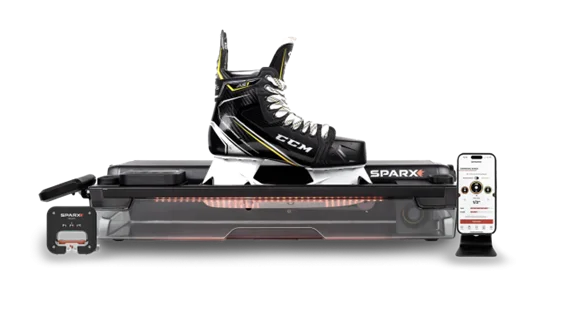
Sparks Hockey democratizes skate sharpening by allowing skaters to maintain their equipment accurately at home. Vice President of Engineering Dan Beaudet shared how his team improved the manufacturability of their third-generation sharpener. Their main goal was to combine seven individual components into a single aluminum casting.
They needed to reduce the sharpener’s overall weight by at least 5% while maintaining the extreme precision required for sharpening ice skates. Through rapid virtual iteration, the engineering team analyzed tool design, wall thickness, and drafts. They completed about 25 iterations in less than two weeks.
The final digital design removed 15 fasteners, reduced assembly costs by 39%, and exceeded the weight-reduction goal by achieving a 7.5% decrease. A physical aluminum prototype later confirmed that real-world stiffness perfectly matched their digital results. Moving forward, the team plans to conduct advanced kinematic and thermal studies to further improve the sharpener.
The Business Value of Virtual Testing
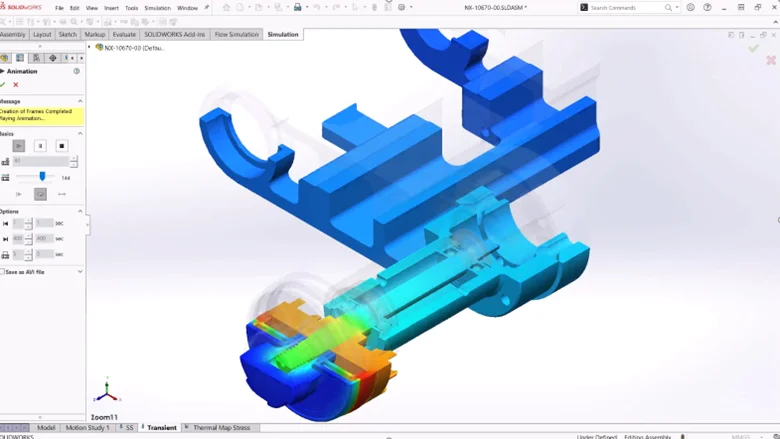
The common thread among these four companies is the tangible business return of adding simulation software to their product development process. They do not just use these tools to create pretty pictures on a screen. They apply rigorous scientific principles to solve complex engineering problems before they occur in the physical world.
Virtual testing removes guesswork from the design cycle. It allows engineers to identify stress concentrations, analyze fluid dynamics, and optimize material usage without wasting money on failed physical prototypes.
When you test products digitally, you protect your brand reputation. You stop field failures before they reach your customers. You also free up capital and time to focus on the next innovative project in your product pipeline.
Watch the Full Session On-Demand
You can explore these engineering workflows in greater detail by watching the full session from 3DEXPERIENCE World 2026. Hear directly from the engineers who design these products, see their digital models in action, and understand the specific parameters they use to validate their work.
Whether you build mining equipment, consumer products, medical devices, or beyond, virtual testing provides a clear, scientific path to better engineering.
Watch the on-demand video today to see how you can integrate advanced simulation into your own product development cycle. Stop guessing and start simulating.