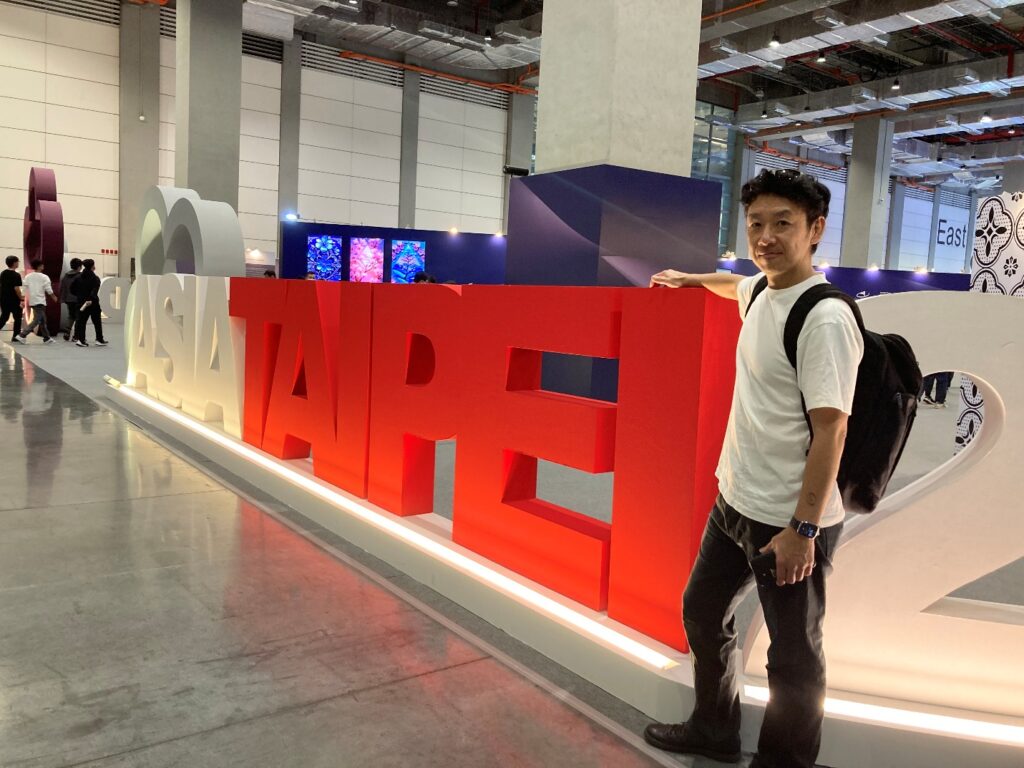

Daizo Fujikawa hadn’t planned on becoming a teacher. Growing up in Japan, he wanted to pursue engineering and had dreamed of living in America. “As a child, I loved taking things apart and putting them back together. I became obsessed with assembling ‘Choro-Q’—those wind-up toy cars my parents bought me.” His parents named him after a character from Japan named Daizo that went to the U.S. and found success on Wall Street.
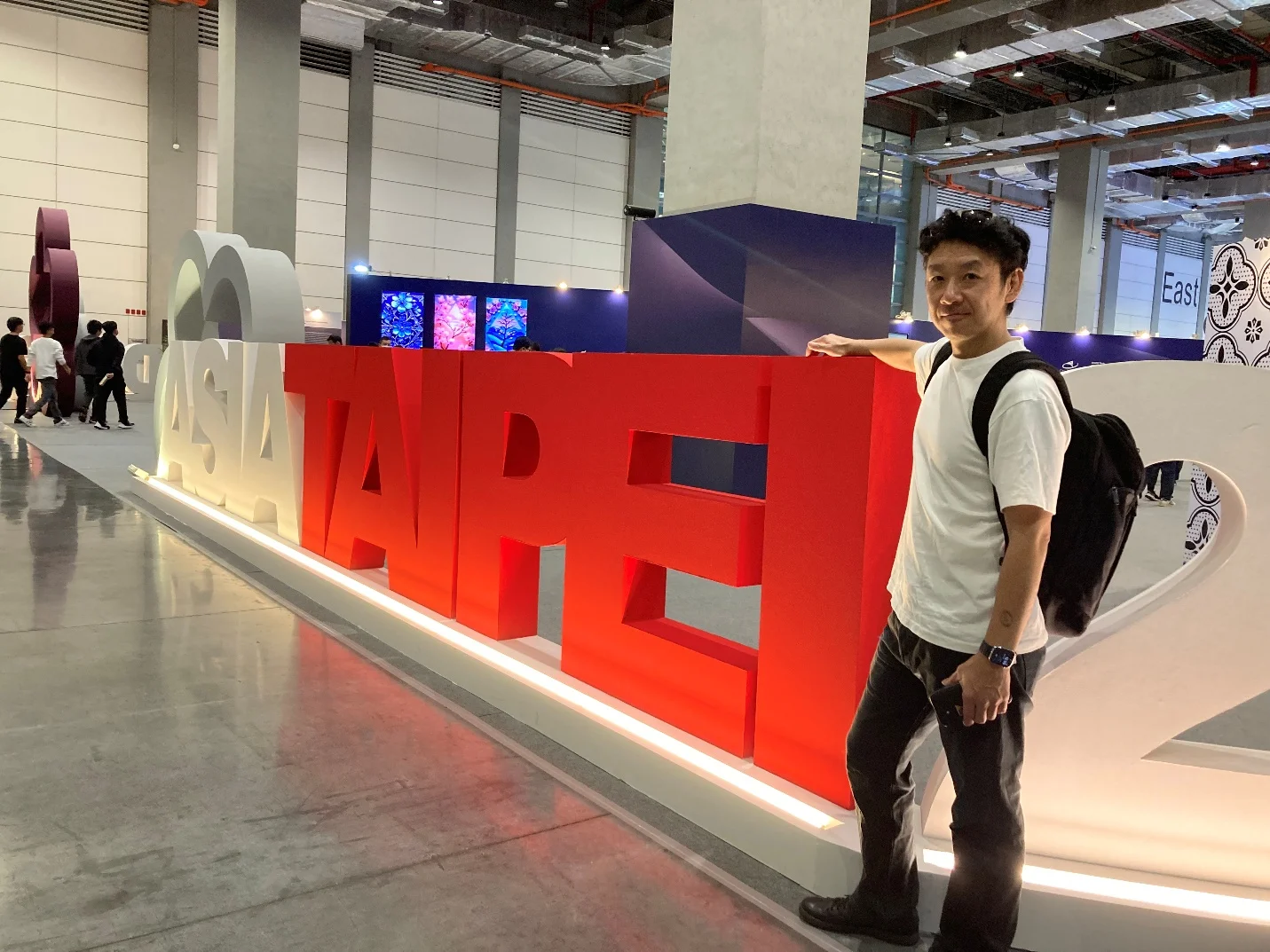
Daizo had learned the fundamentals of machining, programming, sheet metal, and 2D CAD while attending an industrial high school in Hakodate and realized he had a passion for making things and programming. However, after high school, he wasn’t able to get a formal education in engineering, and he went straight to working at a paper mill called Oji Paper in Tomakomai, Hokkaido, operating paper machines.
He left the paper mill after two years to pursue snowboarding for a short time, then moved back to his hometown and came across a teaching assistant job at Hakodate Technical High School, where he now teaches digital fabrication using SOLIDWORKS. That was about four years after he graduated from high school. “It is quite strange, because until that point, becoming a teacher had never been an option in my life,” he said. To his surprise, “I found joy in interacting with people there and being involved in the growth of the younger generation. That’s when I decided to commit to working in education.”
His background in mechanical engineering primarily comes from working at the paper mill and 30 years of teaching with hands-on experience alongside his students. For the past 10 years, he has been in charge of the digital fabrication department at Hakodate Technical High School.
His journey with SOLIDWORKS began when he worked as head of the electronics department at a high school, when a reseller suggested SOLIDWORKS. “I was impressed by its ease of use and strength of its educational program, so I decided to implement it. I have been using SOLIDWORKS for 10 years now.”
His first SOLIDWORKS project was to assist high school students in a robotics competition, where they designed in SOLIDWORKS and then 3D printed the parts. “Ten years ago, 3D printers were not yet mainstream in Japan. However, the moment I designed parts in SOLIDWORKS, printed them, and used them on a competitive robot was the starting point for my current activities. In that sense, my favorite SOLIDWORKS project is that first competitive robot construction project, as it laid the foundation for everything I do now.”
While students primarily use SOLIDWORKS, Daizo also incorporates SOLIDWORKS xDesign into the curriculum. “Students learn how to use the software surprisingly quickly. At our school, 80% of students in the Electronic Machinery Department obtain their CSWA certification within their first three years before graduation,” he said.
The students have access to the digital fabrication lab, which is equipped with 3D printers, laser cutters, cutting plotters, and CNC machines, all of which are free for students to use.
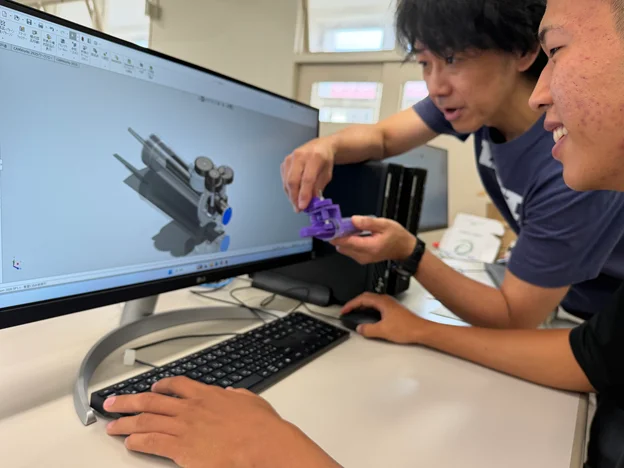
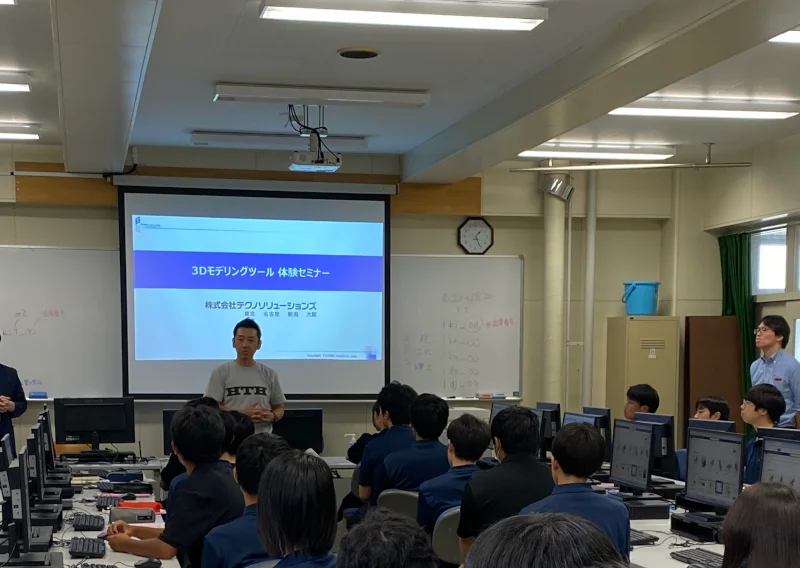
Daizo said that, traditionally, Japanese education has focused heavily on standardized technical training, often failing to tap into teenagers’ flexible and innovative ideas. “Discovering digital fabrication changed everything. It became a vital tool that allowed me to bring my ideas to life, and I saw immense potential in it. I realized that by sharing this experience with the younger generation, I could shift education toward a model that truly empowers their creativity. SOLIDWORKS has been an essential part of this journey, serving as a highly effective tool for modeling whatever they imagine.”
Beyond the school environment, Daizo has learned a lot by connecting with the SOLIDWORKS user community and is involved in the SOLIDWORKS User Group in Japan Hokkaido region.
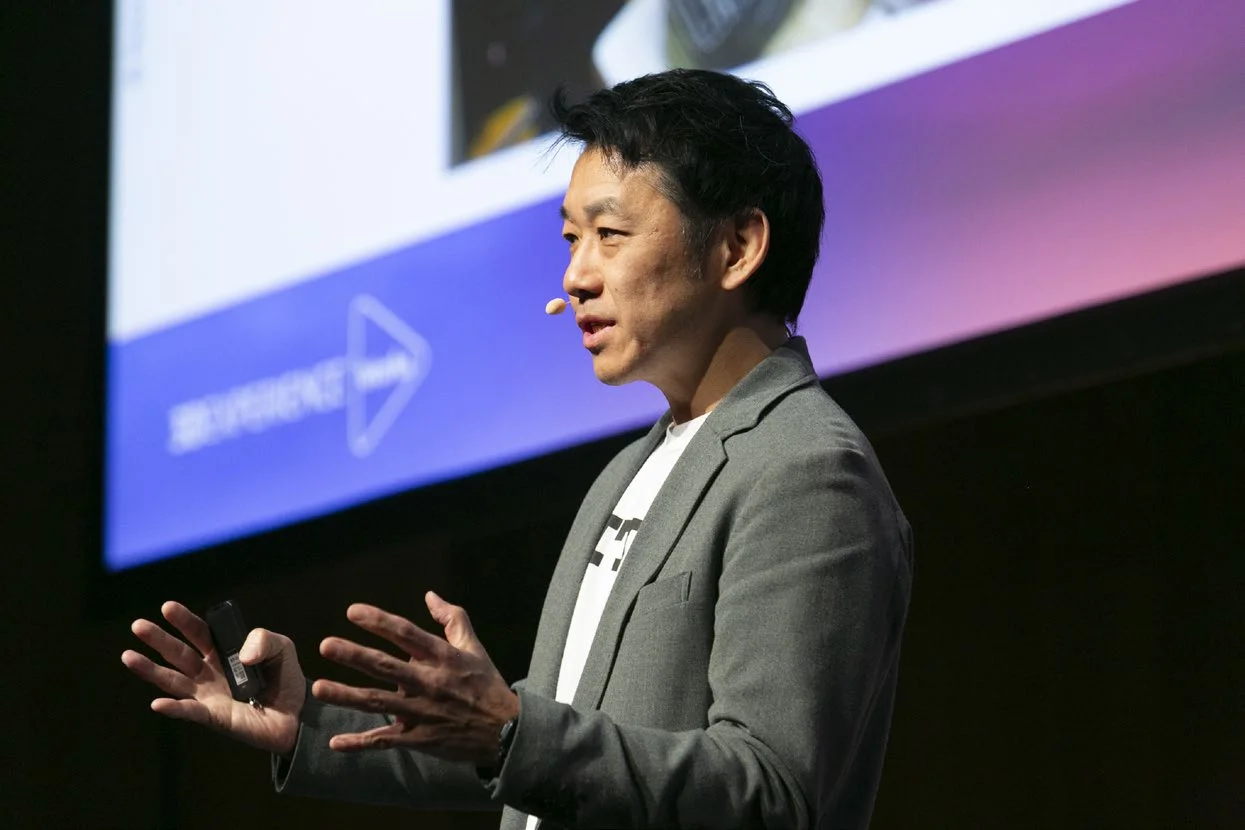
Though Daizo initially envisioned a life in engineering, designing logos or home appliances, he’s found the education field rewarding, helping students reach their potential and helping them grow. As for the future, he plans to add more software to the curriculum, including the 3DEXPERIENCE platform. Eventually, he’d like to transition to a role that allows him to contribute to human resource development on a global scale. Expanding on that goal, he said, “As an industrial high school teacher in Japan, I notice that many educators mentor students under the assumption that they will work solely within domestic industries. However, I strongly believe the younger generation’s stage should not be limited to Japan—it needs to expand to the world. That’s because I believe better things are created when we look at problems from a variety of perspectives.”
“My role is to boost the confidence of Japanese high school students, helping them realize their potential to thrive on the global stage rather than confining themselves to Japan, and empowering them to take action.”
Daizo is also a fan of artificial intelligence (AI). “I am especially excited about physical AI and space development. In Japan, where the declining population is a serious issue, we have no choice but to compensate for labor shortages through robotics and automation. I consider this one of Japan’s most critical survival strategies.”
When asked what advice he has for the next generation of engineers or teachers in a similar role, he said, “Regarding education, we need to nurture the next generation who will lead the future. We must avoid simply imposing our own experiences as the correct answer, as environments differ across generations. Since teachers can learn a lot from students, let’s engage with them with a humble attitude.”
Fun Facts with Daizo featured in Q&A:
What do you do when you’re not working?
In the winter, I go snowboarding. Niseko, a snow resort that has become famous over the last ten years, offers the best powder.
What is something your peers don’t know about you?
Although my grammar is quite broken, I’m able to communicate with people from other countries in English without hesitation.
What are you currently listening to or reading?
I am currently reading Chip War.
What is your favorite place to vacation?
My honeymoon in San Diego was amazing! Traveling abroad has become more difficult due to the weak yen, but I’d love to go back someday. Within Japan, Niseko is my favorite. It’s wonderful because you can really feel the nature in both summer and winter!