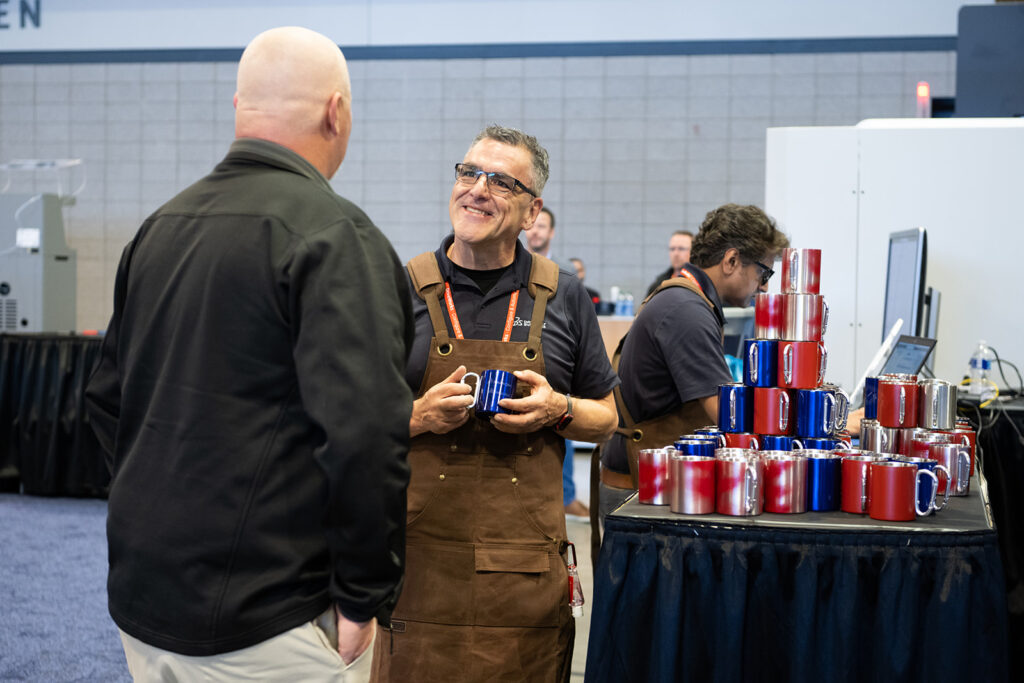

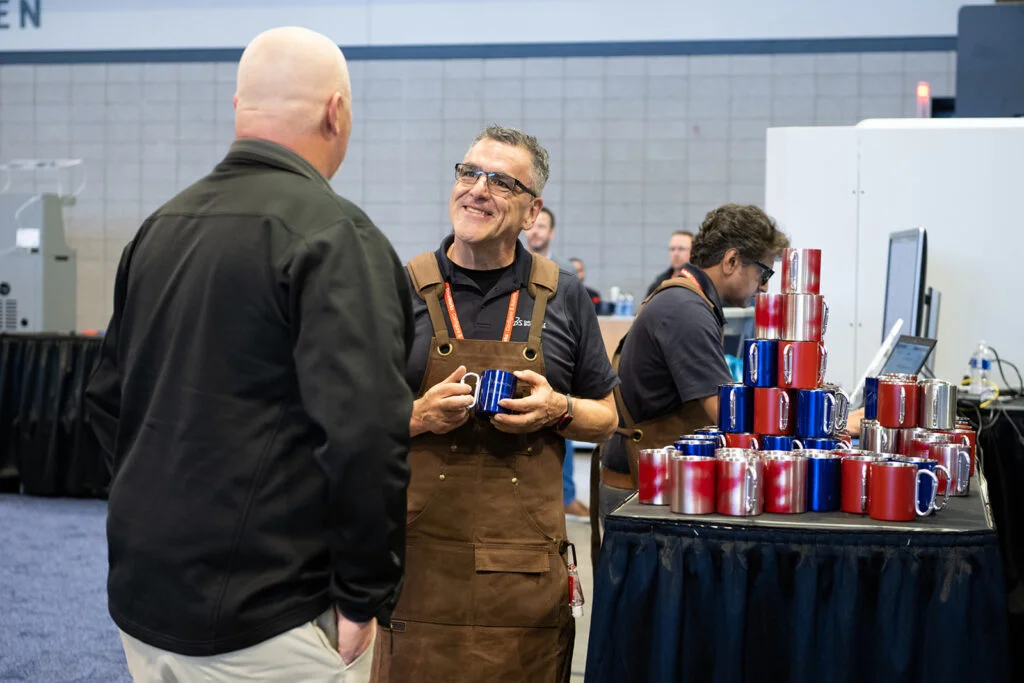
I started my career as an apprentice in 1994 at Methode Electronics in Chicago, and over the last nearly 30 years, I have witnessed a major evolution in manufacturing. Over the past three decades, advancements in manufacturing software have greatly accelerated the go-to-market process. With modern engineering software, bottlenecks in engineering have been almost eliminated by streamlining the creation and validation of designs.
Although the engineering department has the tools to develop products exponentially faster than 30 years ago, many problems remain when it comes to handing the designs off to the machine shop. At the shop level, we are still faced with the same old problem: a lack of ways to quickly and efficiently communicate with engineering, and breakdowns between those groups lead to major issues and delays in getting the product to market.
Better collaboration between engineering and manufacturing
According to recent Tech Clarity research, one of the biggest bottlenecks in product development today is Engineering-to-Manufacturing handoffs, according to 60% the study’s participants. When these handoffs are done poorly, the issue can be the most costly, as the disconnect can lead to delays, errors, and rework. In fact, in the same study, 65% of respondents cite miscommunications between design and manufacturing as a leading source of product development delays.
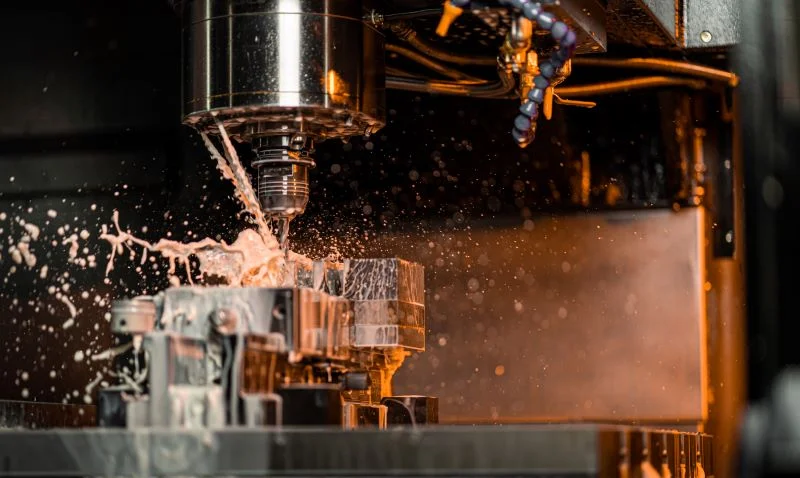
Anyone who has worked in or been around a shop knows that it is rare for manufacturing to receive a part from Engineering without any follow-up questions. Here’s just one example: One of the big issues was always sharp inside corners. Cutting out a pocket on a mill will always leave radii in the corners of a pocket. If the engineer needs those sharp corners, it can be done, but it would be expensive and require other, more expensive machines.
Another big issue is tolerances. Modern software makes it easy to create dimensions to 4 or 5 places past the decimal, but machining to this tolerance is time-consuming and expensive. So how do we, as machinists, address these issues with the engineer? Until now, we would have to walk over to engineering, hope the engineer was at their desk, and go over the part, one feature at a time. We would take notes and head back to the shop floor, hoping we didn’t forget anything. Depending on the organization and the building’s physical size, this process can be very time-consuming and delay the start date and delivery.
Today, with modern product development platforms like the 3DEXPERIENCE platform, this time-consuming process has been eliminated. With Share and Markup capabilities, I can mark up the actual engineering model in 3D with all my questions and have them addressed by the engineer without leaving the shop. This affords me more time to make parts, and, because I am marking up the actual engineering model, I know that any changes made will be reflected in the part I am to machine. With the platform, there is a single source of truth for the engineering model.
Peace of Mind
Being a machinist can be stressful. As machinists, we know we are at the end of the product development cycle and will always face delays in engineering and design. When there are hiccups in the design process, the time the shop must spend producing parts is always truncated. These shortened timelines take their toll not only on the quality of the parts produced but also on the machinist’s mental health. Machinists know that certain processes cannot be rushed. We live by the motto, “Time is the thief of perfection.” If only we could have more time…
Working in a software environment where parts are easily tracked, revised, shared, and validated frees up more time for the machine shop to produce parts. The process of managing several versions of the same part on the shop computer is gone. When using the 3DEXPERIENCE platform, there is always a single model that serves as the basis for design, engineering, and manufacturing. All notes and details are attached to that file. Even the G-code is attached to the CNC file to ensure the latest version is being produced. This single source of truth removes the question of whether the right part is being machined, giving the machinist confidence and peace of mind that the part coming off the machine is 100% correct.
The manufacturing landscape is ever-changing. Process bottlenecks are being eliminated, and entire workflows are being redefined. With the introduction of AI and the growing adoption of robotics, machine shops 30 years from now will face different challenges. I know that DS SOLIDWORKS and the 3DEXPERIENCE platform will be ready.