

DraftSight Turns 15!

Fifteen years ago, DraftSight was introduced to deliver powerful 2D CAD with a familiar drafting environment, flexible licensing options, and a competitive price. Since then, it has become a trusted daily tool used across multiple stages of design and production.
Shared and Revised Across Teams
In most projects, drawings are shared among teams, revised multiple times, and must remain accurate as requirements evolve and deadlines shift. DraftSight includes tools for managing those updates. Features such as Custom Blocks, parametric constraints, automated dimensioning, and Sheet Set Manager help handle repeated edits and keep drawings organized.
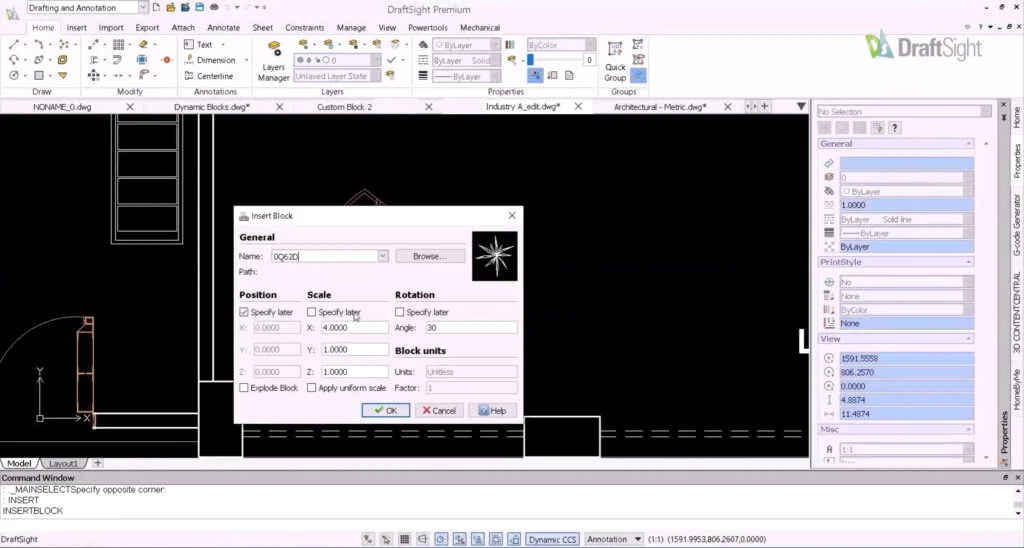
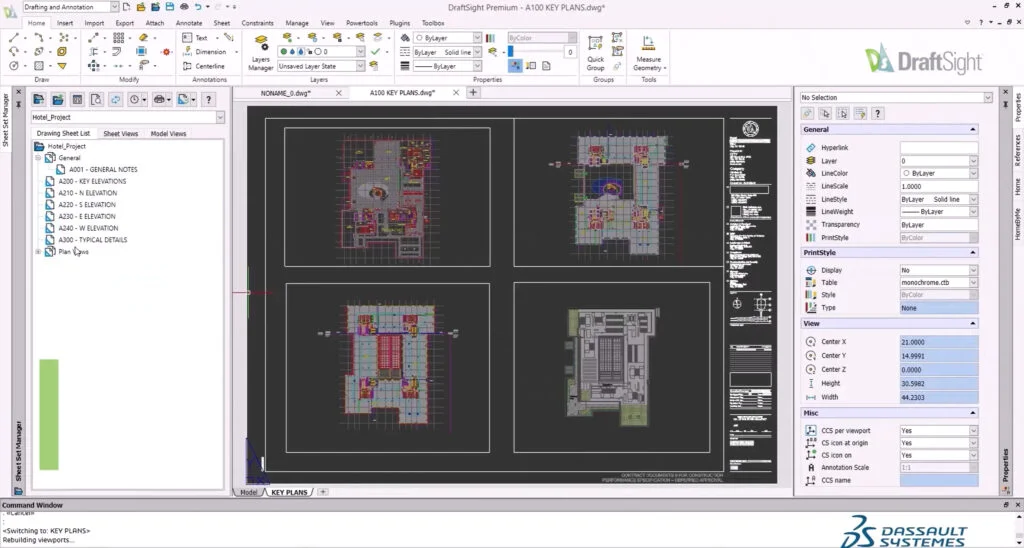
DraftSight also supports standard file types, including DWG, DXF, and DGN, enabling teams to work efficiently across different sources.
From First Release to Today
DraftSight was introduced in 2011 to support professional 2D drafting and is fully compatible with DWG files. Early adoption was driven by its familiar interface, strong performance, and the ability to work with existing files without conversions.
As usage increased, the software expanded to support more demanding environments. Automation through LISP and APIs, improved handling of large drawings, and support for industry standards allowed DraftSight to move beyond basic drafting into production use across teams and organizations.
In 2019, DraftSight launched a structured product portfolio for professional and enterprise use. This expanded its use across teams and organizations by adding capabilities such as 3D modeling in DraftSight Premium, network licensing, and deeper integration with SOLIDWORKS.
Recent updates have enhanced performance, usability, and drawing management at scale, with tools such as Dynamic Blocks, Draw Compare, and improved interoperability, enabling more complex workflows as drawings grow in size and complexity.
Why 2D Drawings Continue to Be Used
2D drawings are still the standard format for review, approval, and production. They are the files that are checked, shared, and signed off on before work progresses. In many cases, they are what teams depend on when a design needs to be interpreted, built, or verified. While 3D tools are often used earlier in the process, 2D drawings remain the reference for final details.
How DraftSight Continues to Improve
Recent updates to DraftSight focus on handling drawings at scale. This includes boosting performance with large and complex files, revamping the user interface for easier management of multiple drawings, and adding tools for reviewing and comparing revisions. These updates reflect how DraftSight is used today: drawings are shared across teams, updated often, and need to remain consistent over time.
Explore 15 Years of DraftSight
To mark the anniversary, we’ve created a DraftSight 15-year page with customer stories and product highlights from the past 15 years.
The page also includes a limited-time anniversary promotion: 15% off DraftSight.
Visit the anniversary page to explore more.