What Is a Connected Factory Worker in Manufacturing?


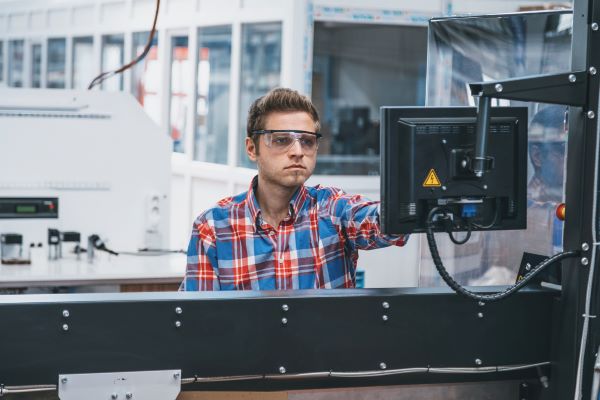
Your factory floor has plenty of activity, but are your workers truly connected to the information they need? Modern manufacturers need more than skilled hands—they need connected factory workers that can access real-time data, collaborate seamlessly across departments, and make informed decisions on the spot. Let’s explore how connecting your workforce can transform your operations and drive meaningful results for your business.
What Is a Connected Factory Worker?
A connected factory worker is an employee who has instant access to digital tools, real-time data, and collaborative technologies that help them do their job better. It includes mobile devices, wearables, and integrated software that helps them stay informed about production schedules, quality metrics, safety protocols, and maintenance needs.
The future of connected factory workers is bright as manufacturers recognize the value of empowering them with information and decision-making capabilities. Connected workers will continue growing in importance as artificial intelligence, augmented reality, cobots and IoT sensors create even more opportunities for human-technology collaboration on the factory floor.
What Is a Connected Worker Platform?
A connected worker platform (CWP) is a comprehensive software solution that links factory employees to the digital tools, data, and communication channels they need to excel in their roles. CWP software integrates with existing manufacturing systems and equipment to provide a central hub where workers can access work instructions, report issues, track progress, and collaborate with colleagues to streamline workflows across different departments and shifts.
Key Features of Connected Worker Platform Software
Connected factory worker software includes several core features that work together to create a comprehensive solution for the diverse worker challenges of modern manufacturing operations.
Resource Sharing
Resource sharing capabilities allow connected factory workers to easily access and distribute information, tools, and expertise. Workers and management can share best practices, troubleshooting guides, work instructions, safety procedures, quality standards, and process improvements through a centralized tool. This helps break down departmental silos and reduce the impact when experienced workers leave.
Real-Time Collaboration
Today’s connected factory worker tools often have real-time monitoring capabilities that bring together supervisors, maintenance teams, quality specialists, and colleagues across different shifts and locations. Workers can send instant messages, share photos of issues, and participate in video calls. This immediate communication capability reduces downtime by eliminating the delays associated with finding the right person or waiting for shift changes to share important information.
Worker Monitoring and Time Tracking
Production monitoring and time tracking capabilities are some of the most valuable CWP tools for manufacturers, providing visibility into how workers spend their time and identifying opportunities for improvement. It can track task completion and measure productivity metrics that help managers optimize processes. These features also support compliance with labor regulations and help workers understand how their contributions impact overall production goals.
Equipment Maintenance
Connected factory workers aren’t just connected to other humans—they can also be connected to equipment. Workers can view real-time equipment status, access maintenance schedules, report issues, and complete digital checklists of preventive maintenance tasks through the platform. CWP software can also track maintenance history, parts usage, and performance trends to predict when equipment will need attention. A proactive approach reduces unplanned downtime and helps workers take ownership of manufacturing execution.
Reporting and Analytics
Reporting and analytics transform raw data into actionable insights that help workers and managers make better decisions. With CWP software, connected factory workers can view real-time dashboards, quality metrics, and performance indicators relevant to their role. For managers and executives, analytics tools can track key performance indicators and identify trends that indicate opportunities for improvement or potential problems. Both functions drive better performance across all aspects of manufacturing operations.
Connected Worker Platform Benefits for Manufacturers
Connected factory benefits aren’t just for your shop floor. CWP tools deliver measurable improvements across multiple areas of your manufacturing operation.
Increased Productivity and Efficiency
Connected factory workers complete tasks faster because they have immediate access to the information they need. Rather than searching for supervisors or hunting through paper manuals, your team can quickly reference digital work instructions, check inventory levels, or verify quality specifications directly from their devices. You can also track productivity metrics in real-time, identifying bottlenecks before they impact schedules and making adjustments that keep your operations running at peak performance.
Improved Safety and Compliance
Safety incidents decrease when workers have easy access to updated procedures, hazard alerts, digital checklists, and emergency protocols. CWP software can monitor workers’ behavior and workplace conditions, so you’ll have fewer accidents and reduce your insurance costs. It can also track certifications and documentation, ensuring workers are only performing tasks they are certified to perform and making it easier to maintain compliance with industry regulations and pass audits.
Better Quality Control
Connected platforms allow quality teams to track issues in real-time, identifying patterns that might indicate equipment problems or training needs. Connected factory workers can instantly access inspection procedures, report defects, and receive feedback about their work. This immediate feedback loop helps you catch quality issues early, reducing scrap rates and customer complaints.
Reduced Training Time
New employees get up to speed faster when they have access to interactive training materials and experienced workers through connected platforms. Experienced workers can also share knowledge more easily through video messages, annotations, and real-time collaboration tools. You’ll see shorter onboarding periods, more confident new employees, and better knowledge retention across your workforce.
Data-Driven Decision Making
Connected factory workers generate valuable data about production processes, equipment performance, and operational challenges that can inform management decisions. This information flows directly into your CWP software, providing insights that help you optimize resource allocation and identify continuous improvement opportunities. You’ll make better decisions about everything from maintenance scheduling to capacity planning when you have accurate, timely information from your connected workforce.
Real-World Examples of Connected Factory Workers
Connected worker platforms are transforming manufacturing operations across diverse industries and applications. Here are some of the most common connected factory worker uses to help you understand how manufacturers are leveraging this technology:
- Automotive assembly line optimization: Connected factory workers use tablets to access instructions that automatically adjust based on vehicle configurations. Real-time collaboration tools connect line workers with quality specialists when issues arise, preventing defects from progressing through the assembly process.
- Electronics manufacturing quality control: Quality inspectors use mobile devices to capture photos of defects and instantly share them with engineering teams. Digital checklists guide workers through complex testing procedures and automatically document results for compliance reporting.
- Food processing safety compliance: Connected factory workers complete temperature logs and sanitation checklists that sync automatically with food safety systems. Real-time alerts notify supervisors when critical control points fall outside acceptable ranges, preventing potential contamination issues.
- Pharmaceutical batch tracking: Production workers scan barcodes and enter batch information through connected devices that maintain complete traceability. Digital work instructions guide workers through complex procedures and document each step for regulatory compliance.
How DELMIAWorks Supports Connected Factory Workers
As you investigate connected worker platforms and their benefits, you’ll likely come across enterprise resource planning (ERP) software as an option. This software supports connected worker initiatives by integrating all manufacturing operations—from inventory and production to quality and finance—into a unified data platform that workers can access in real-time.
DELMIAWorks manufacturing ERP software empowers connected factory workers by providing real-time access to production data, quality metrics, and operational insights that help them make informed decisions. By connecting inventory management, production scheduling, manufacturing execution, quality control, and financial systems in one platform, workers gain access to the context they need to prioritize tasks and do their jobs more effectively.
Ready to drive efficiency and profitability? Contact us today to learn how DELMIAWorks can help your connected factory workers excel in their roles—and transform your operations.